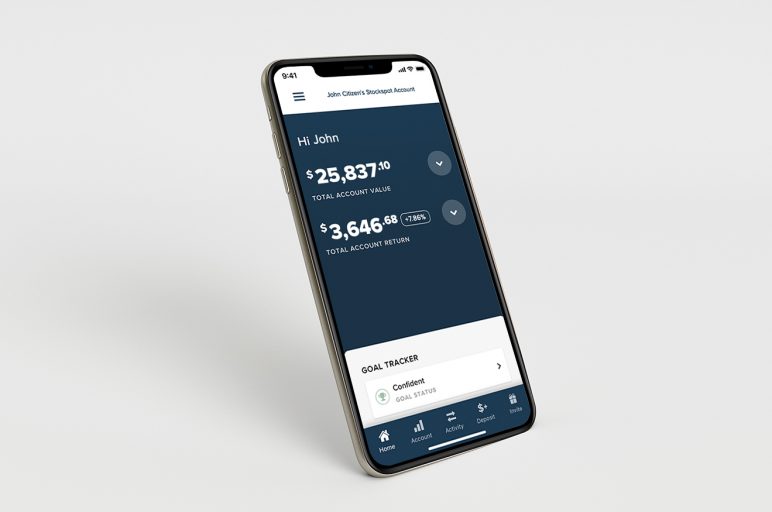
If you started investing with Stockspot late in 2025 or during the first half of 2026, you may have noticed that your return is lower than the 12 month figures in our June performance update.
That doesn’t mean something has gone wrong. It usually reflects when you started investing and the timing of any additional deposits you’ve made.
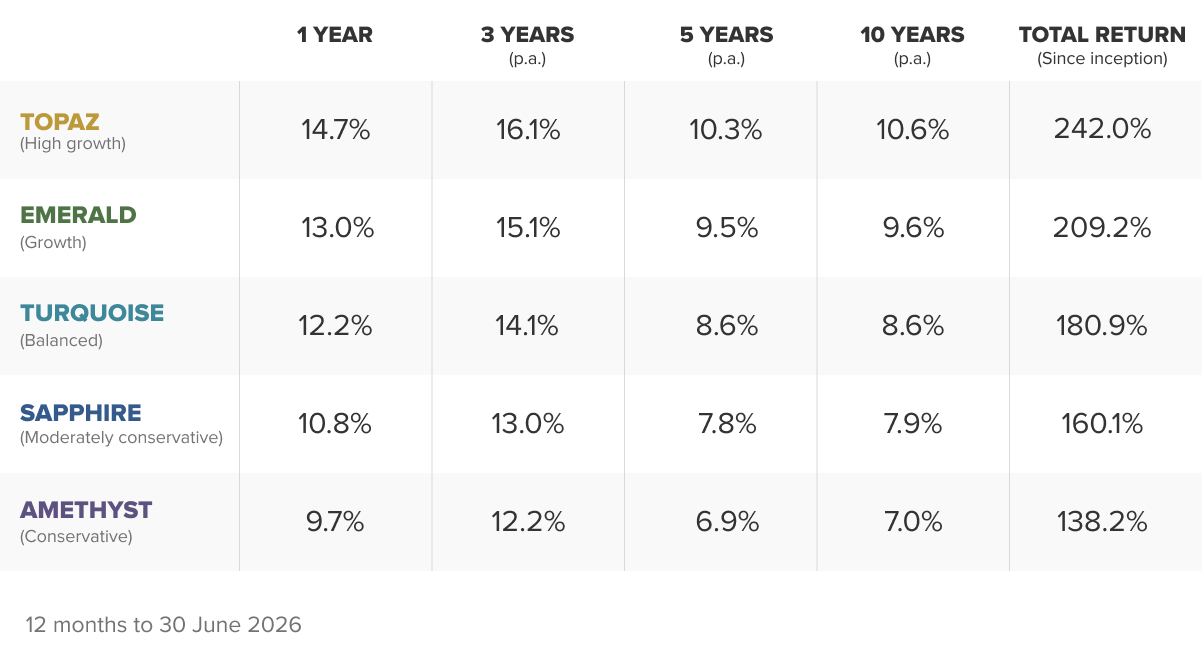
Our Topaz High Growth Portfolio returned 14.7% after fees over the year to 30 June 2026. However, most of that return arrived during the first seven months of the financial year. From February to June, markets were much flatter.
Investment returns don’t arrive like interest in a bank account, they’re uneven. Markets can rise quickly over a few weeks or months and then move sideways or drift lower for an extended period. This is a normal part of investing.
Most of the year’s return came early
The timing was especially noticeable in Topaz and Topaz Inflation. The table below shows how much each period contributed to the full financial year return.
| Portfolio | Full year | 1 Jul to 31 Jan | 1 Feb to 30 Jun |
| Topaz | +14.7% | +13.7% | +1.0% |
| Topaz Inflation | +33.4% | +43.7% | -10.3% |
For Topaz, 13.7% of its 14.7% annual return had already been earned by 31 January. Only 1% came from the final five months.
The contrast was even larger for Topaz Inflation. It contributed 43.7% by the end of January. The portfolio then gave back 10.3% from February to June, leaving a still very strong full year return of 33.4%.

Why the inflation portfolio moved more sharply
Topaz Inflation had an exceptional first seven months. Gold, silver and gold mining shares rose rapidly and reached a peak around the end of January. Those assets have since pulled back and consolidated after their strong run.
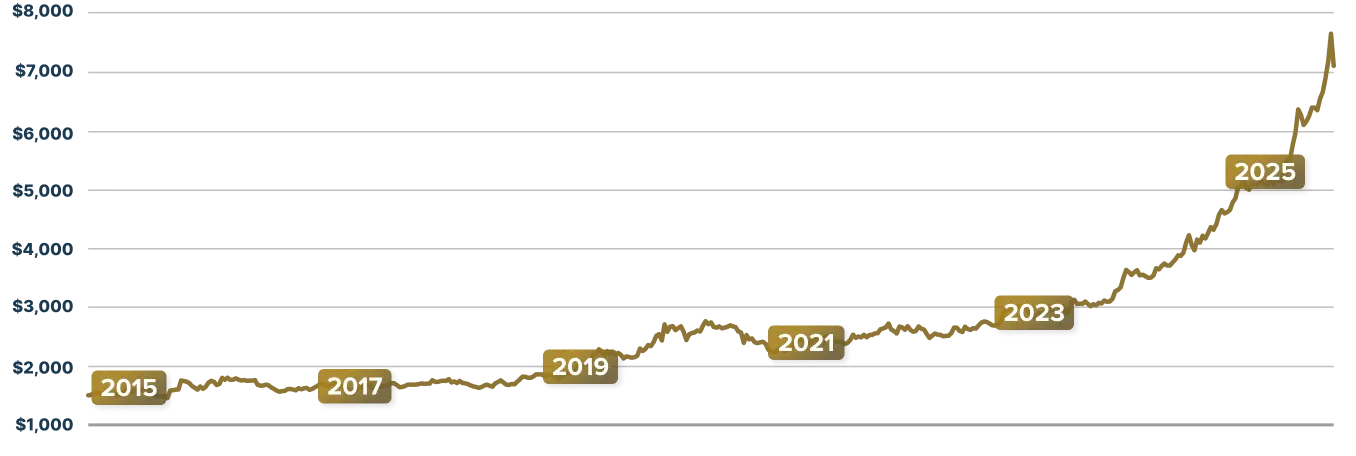
That pattern isn’t unusual. Investments that rise the fastest can also experience the largest short term falls.
Topaz Inflation has a specific goal of helping protect against inflation over the medium to long term. It has a recommended investment timeframe of at least seven years, as does Topaz. Its recent movements show why both portfolios should be considered over a longer timeframe rather than judged by a few months of performance.
Your starting date matters
The 14.7% Topaz return covers the full period from 1 July 2025 to 30 June 2026. It assumes the portfolio was invested throughout that entire period.
If you joined in February, you weren’t invested during the earlier gains. Your dashboard correctly shows the return on your own money from the dates it was invested.
Regular deposits can create another difference. Money added later has been invested for less time. A large recent deposit can therefore make your overall percentage return look lower even though the earlier part of your portfolio has performed well.
For example, imagine you invest $10,000 and earn $1,000 over the following year. Your total return is 10%. If you then deposit another $10,000, your dashboard may initially show a return of about 5%. You still earned the same $1,000. The percentage looks lower because it’s now being compared with a $20,000 balance, even though half that money has only just been invested.
A difference of even a few days can matter when markets move quickly. Generally, the longer you remain invested, the more your personal return should align with the published portfolio return.
Our article, How does Stockspot calculate returns?, explains the three measures we use. Published portfolio results use time weighted returns because this removes the impact of client deposits and withdrawals. Your dashboard shows your personal total return. Once you’ve been invested for more than 12 months, it also shows a money weighted annualised return that considers when each deposit was made.
Flat periods are part of the journey
It can feel disappointing to begin investing and then see markets go sideways. However, flat or weaker periods are normal and they don’t tell us what markets will do next.
Strong long term returns are often driven by a relatively small number of very good days and months. These bursts are almost impossible to predict. Moving to cash during a quiet period can mean missing the recovery when it arrives.
Over the long run, missing just the 10 best market days can halve a portfolio’s annualised return. That’s why staying invested matters more than trying to pick the perfect time to get in and out.
The aim isn’t to receive the same return every month. It’s to remain invested in a diversified portfolio that matches your goals and gives compounding time to work.
Focus on the timeframe that matters
A few months is too short to judge a long term investment strategy. Even a strong financial year can look very different depending on when you started.
We encourage clients to focus on whether their portfolio remains suitable for their timeframe and comfort with market movements. Our role is to keep portfolios diversified, control costs and rebalance sensibly. Your role is simpler: keep contributing where you can and avoid letting a short period of slow returns derail a long term plan.